
Presenter: Lexi
Date: 9/1/11
The Green Man
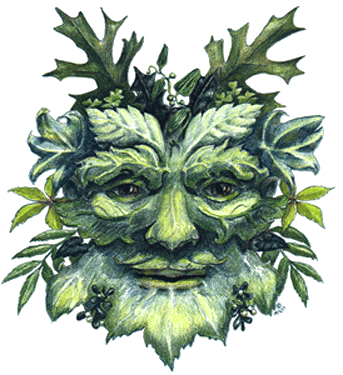
Where did the name “Green Man” come from?
A: There is a long tradition in Britain of calling men clad all in green or dressed in leaves “Green Men”. The image we all know as the Green Man was named by Lady Raglan, an English noblewoman, in 1931.
Who is the Green Man?
A: Nobody is entirely certain of who the Green Man represents or if he represents any one single deity. Other names for the figure we know as the Green Man are:
- Jack in the Green
- Green George
- Man of the Woods
- The Holly King
- The Oak King
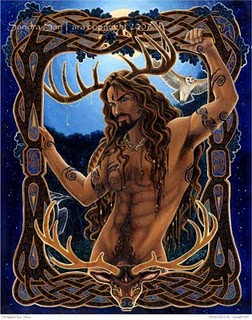
Cernunnos, Celtic Horned God
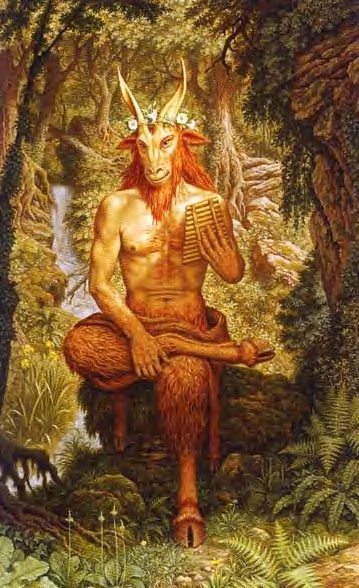
Pan, Greek Mischief Deity
What does the Green Man represent?
A: The Green Man is most often seen as a balance to the female energy of the goddess. He is the source for masculine energy, virility, and male fertility.
Interesting Points on the Green Man
- Many British churches are decorated with the carved face of the Green Man. This is commonly explained as a way for the Catholic Church to be more palatable and inviting to the predominantly Pagan country people. This is also one theory as to why many Catholic saints share names with Pagan deities, like Brighid and St. Bridget.
- During the 16th century, it was common for men to dress as the Green Man and lead official parades through crowded town centers. They would clear the way for the pageantry by breathing fire and twirling flaming batons.
- For a long while, it was believed that the numerous “Green Men Taverns” in Britain were named for the deity. Contemporary scholars have found evidence tot he contrary, since most of the mascots for these taverns were gamekeepers and woodmen, rather than men with leaf-covered faces.
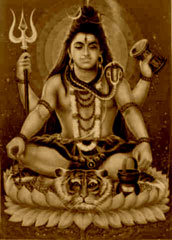
- There is some speculation that the Green Man was originally an Indian deity brought to the British Isles through trade routes. The favored deity for the Green Man’s Indian counterpart is Pashupati.
Suggested during the meeting
- Connection to Sumerian deity
- Enki
- Lammas
- Six-week festival, dedicated to the Green Man


